Tulip Chairs
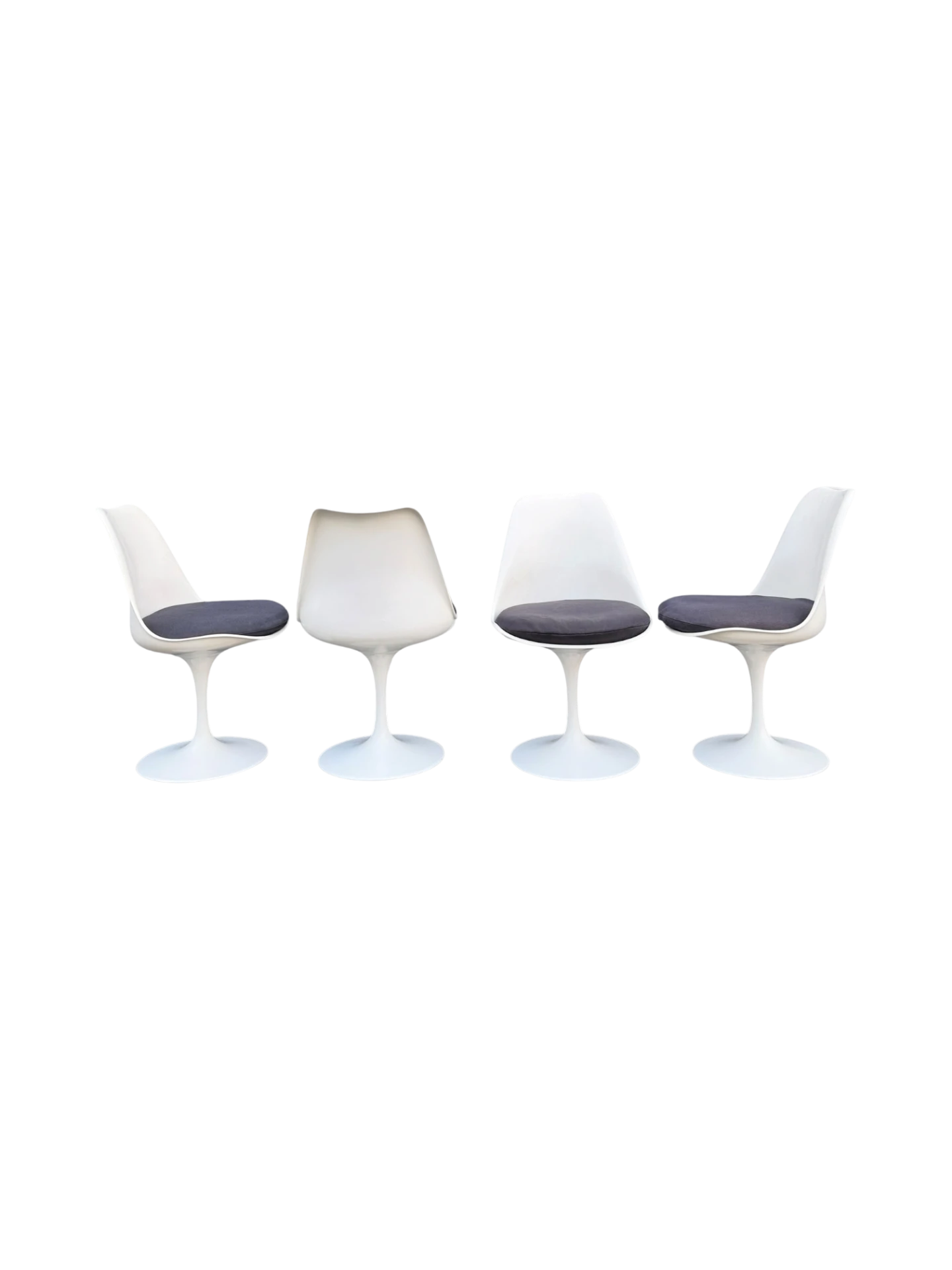
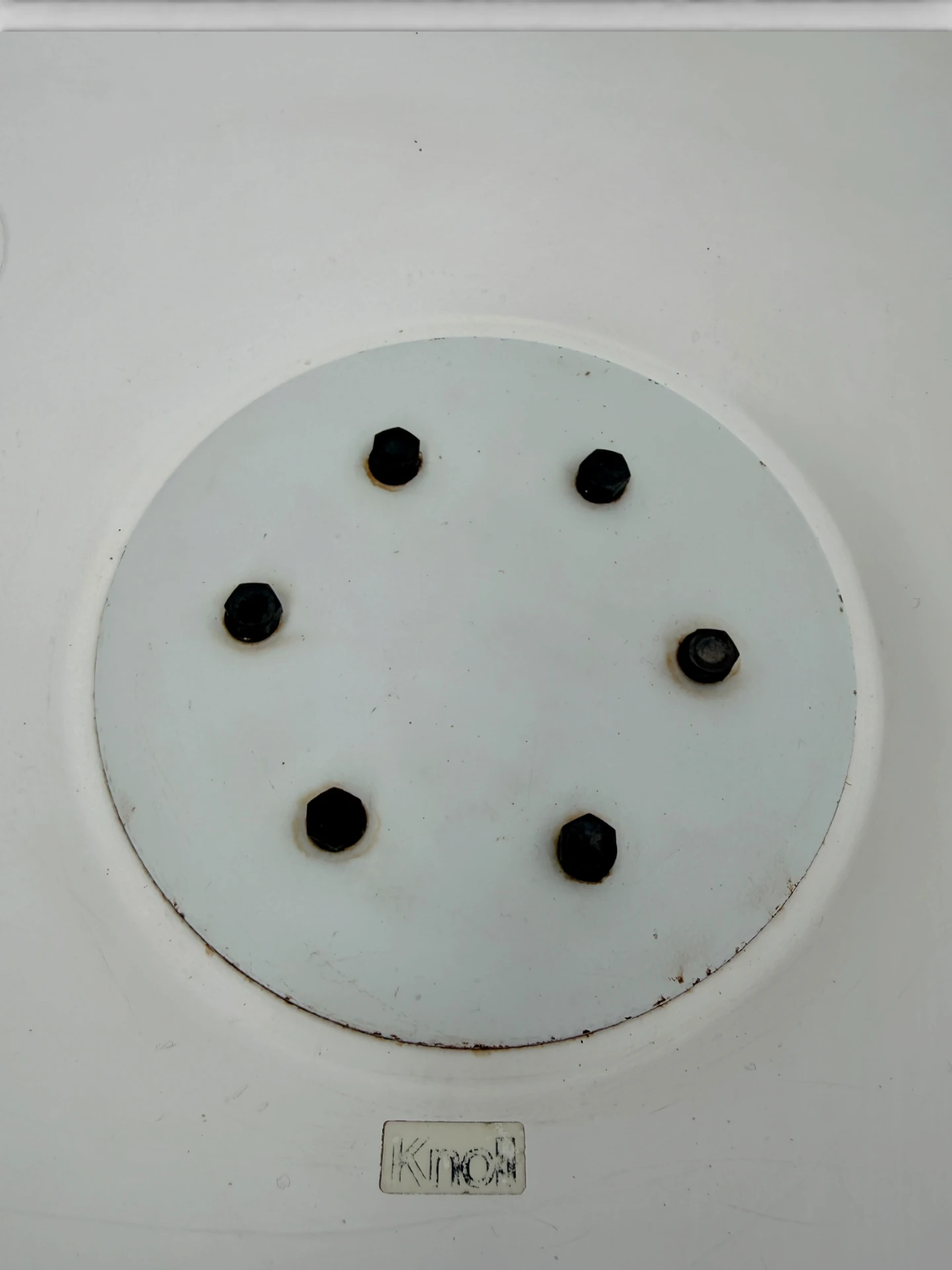
The absence of an engraved signature beneath the base of a Tulip chair is not enough to conclude that it is a copy. Documented early examples carry a “Knoll” or “Knoll International” label, beneath the cushion or on the shell it covers. Attached to a removable part, a label first tells you about that part: it must be consistent with the shell, the base and the provenance. Current chairs, for their part, carry the Knoll logo and Saarinen's signature on the base. The shell is made of fibreglass-reinforced polyester, a material Knoll still uses: its appearance, smooth or faintly fibrous, does not date it. It is joined to the base, fixed or swivel, by machine screws whose arrangement varies between versions: compare it with an identified version, not with a screw count. Inconsistent fixings, such as wood screws, call for examination: they may betray a reproduction, but also a repair.
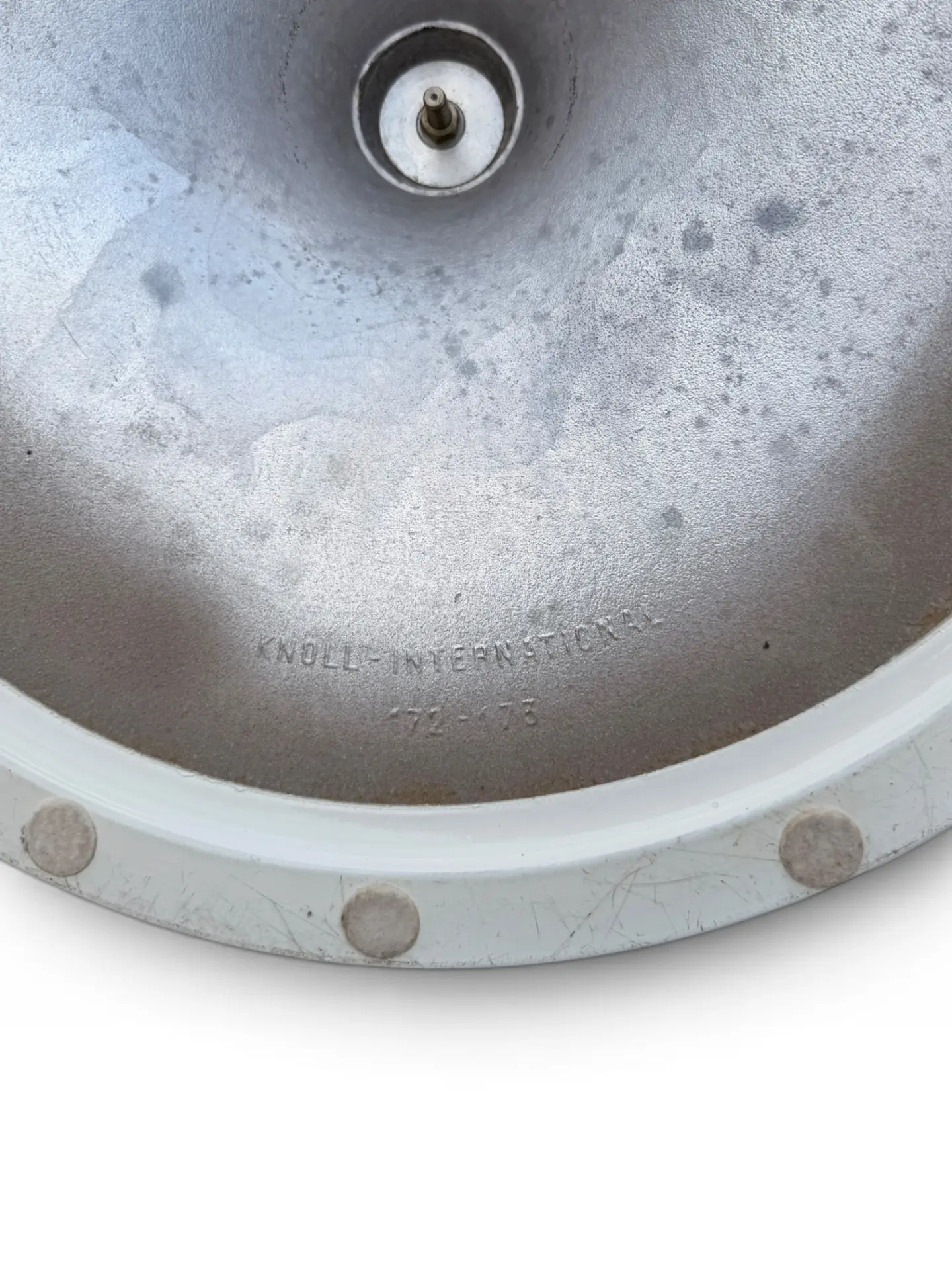
Table Tops and Bases
On a table, look for the markings first. Depending on model and period, Knoll places a logo beneath the base and a plate beneath the top or on its support. Their absence does not prove a copy, since unmarked Saarinen tables for Knoll have appeared at auction, but it does not settle the question either: the examination goes on. The top exists in marble, laminate, wood veneer and, depending on the range, granite, quartz or other stones. Its bevelled, tapered edge is characteristic, but its profile varies with the material: compare it with the model's documentation.
The Cast Aluminium Base
Documented Knoll bases are made of cast aluminium; a load-bearing base in plastic or fibreglass does not match this construction. Knoll coats its black and white finishes in Rilsan, a polyamide resistant to abrasion and impact; the Platinum version receives a polyurethane enamel under a satin clear coat. Weight is a clue, not proof: a light base signals an inconsistency worth examining, but a heavy aluminium base does not distinguish Knoll from reproductions, which use the same material.
Frequently asked questions
Why doesn't my Knoll Tulip chair have an engraved signature underneath?
The absence of a signature is not enough to rule out an early edition. Look for other markings, such as a Knoll label beneath the cushion or on the shell, then examine the materials, proportions, construction and provenance. A label is a clue; the number of screws is not a rule.
How can I recognise a genuine vintage Saarinen Tulip table?
By comparing the top and base with the documentation for the model and its period, then examining the markings and provenance. Neither a heavy base nor a bevelled edge is sufficient. An absence of markings calls for further examination, not a verdict of copy.
What is the original Tulip chair shell made of?
The earliest shells are documented in fibreglass-reinforced polyester, and Knoll still uses this material today. A smooth appearance therefore does not show a move to unreinforced plastic.
Looking for a specific piece from this signature?
L’Œil is our bespoke sourcing service. Tell us which piece you are looking for, and we will help you find it.
Our other authentication guides
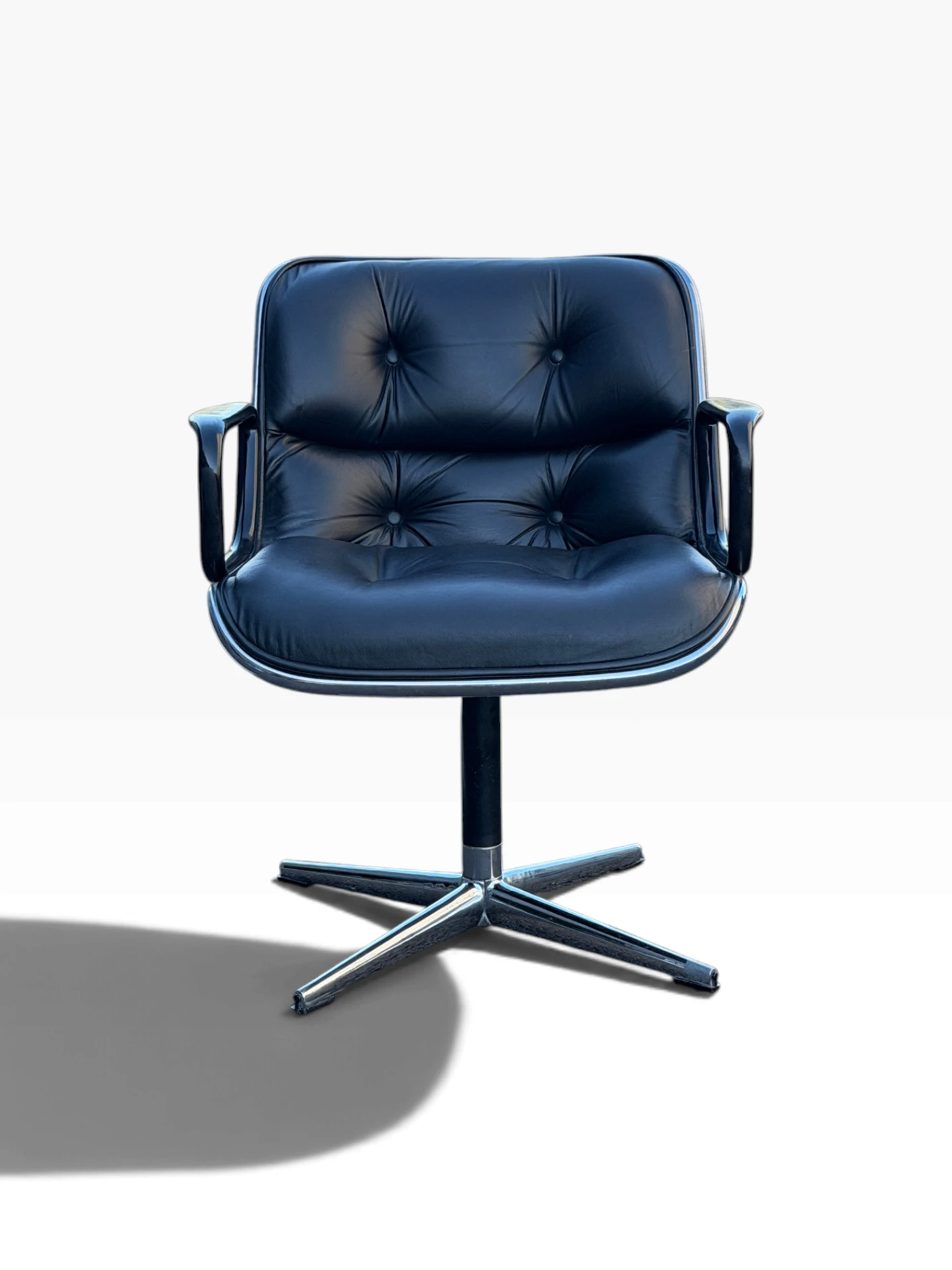 Guide Charles PollockHow to authenticate and choose a vintage Knoll Executive Chair.Read the guide
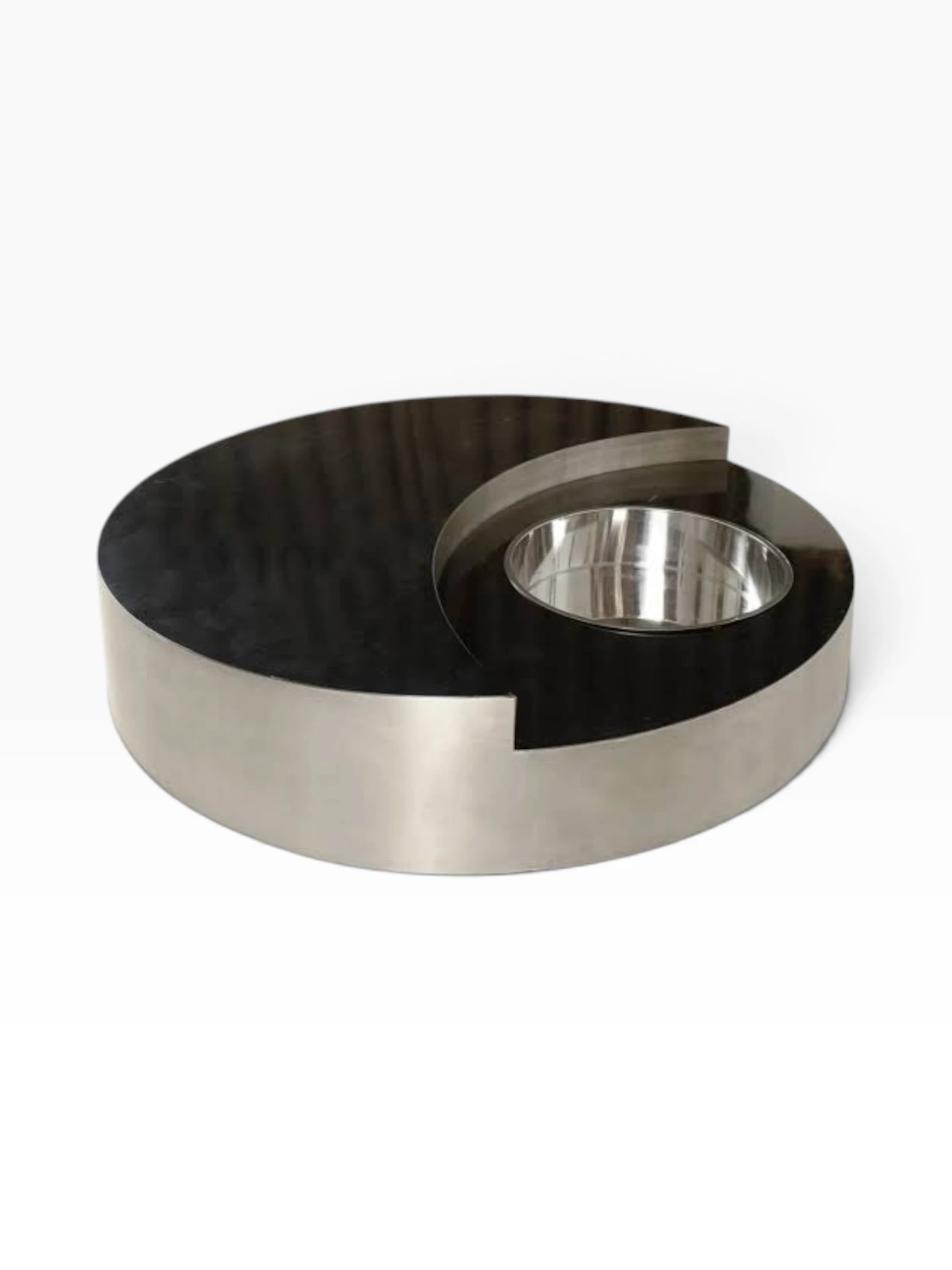 Willy Rizzo Coffee Tables GuideAuthenticate the Alveo, TRG, Yin Yang and sliding models.Read the guide
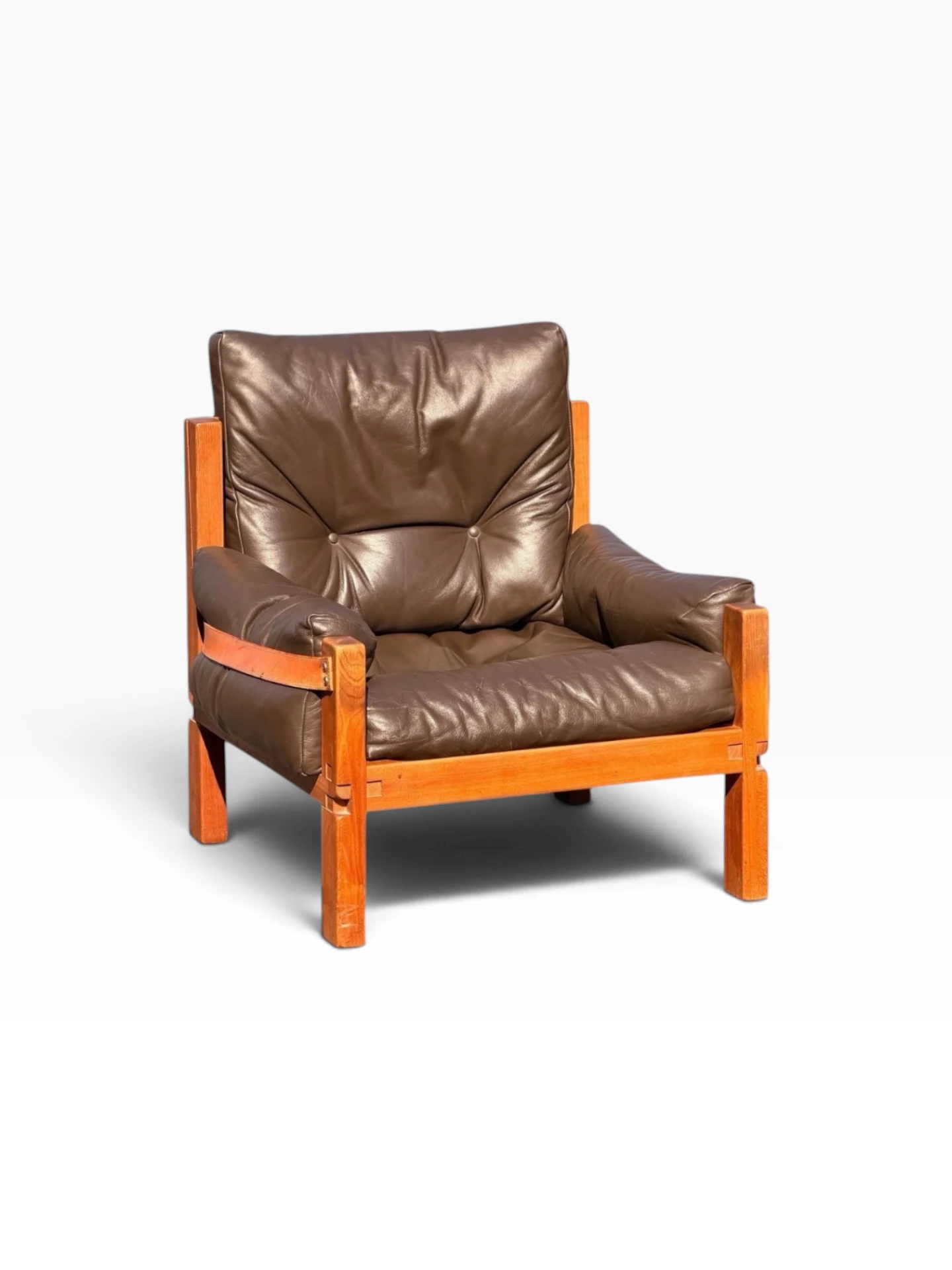 Pierre Chapo Furniture GuideRead the solid elm, the 48x72 joinery and the S15, S22 and S31 models.Read the guide
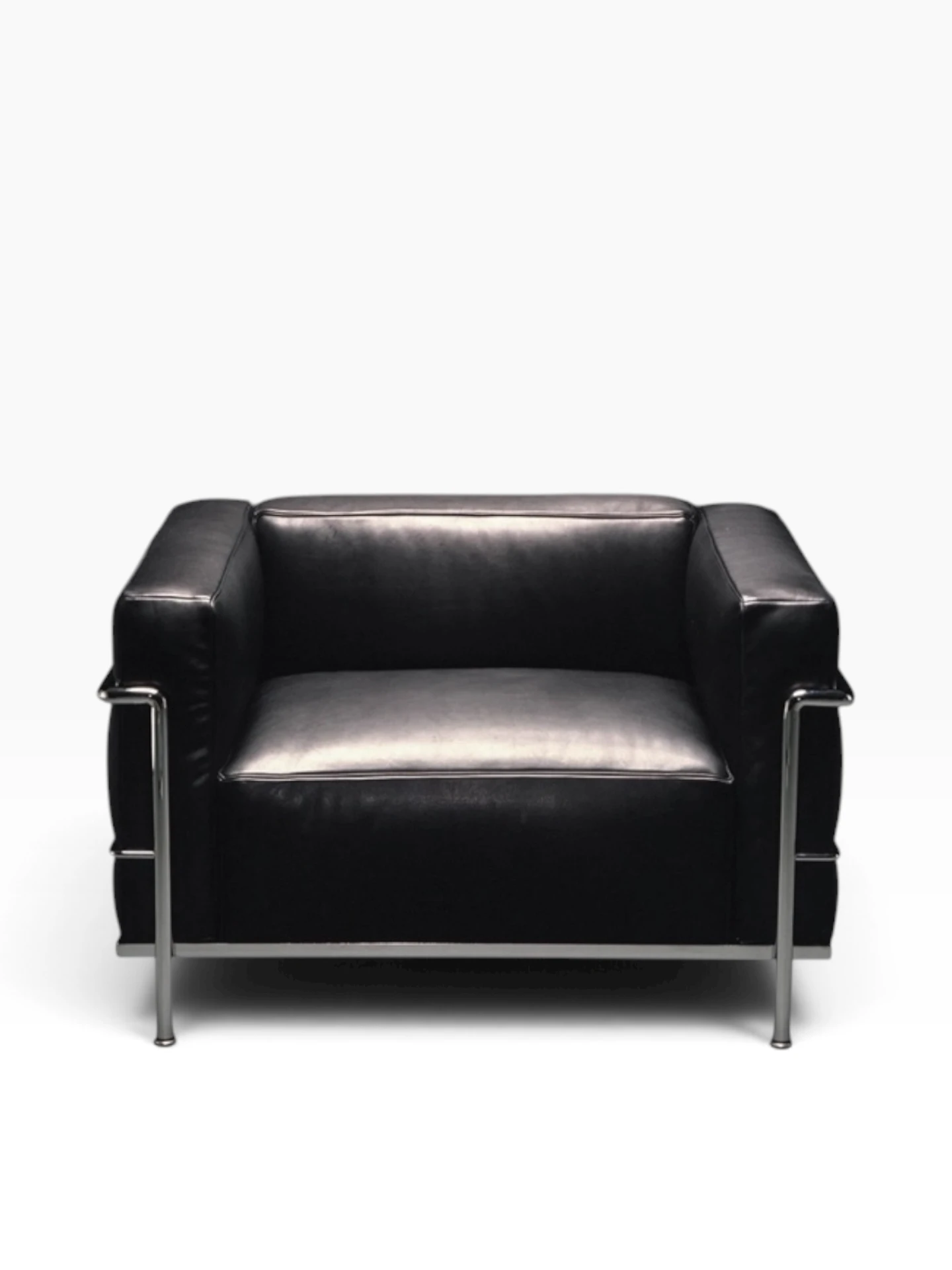 LC Collection Guide · CassinaRecognise authentic LC1, LC2, LC3 and LC4 editions.Read the guide
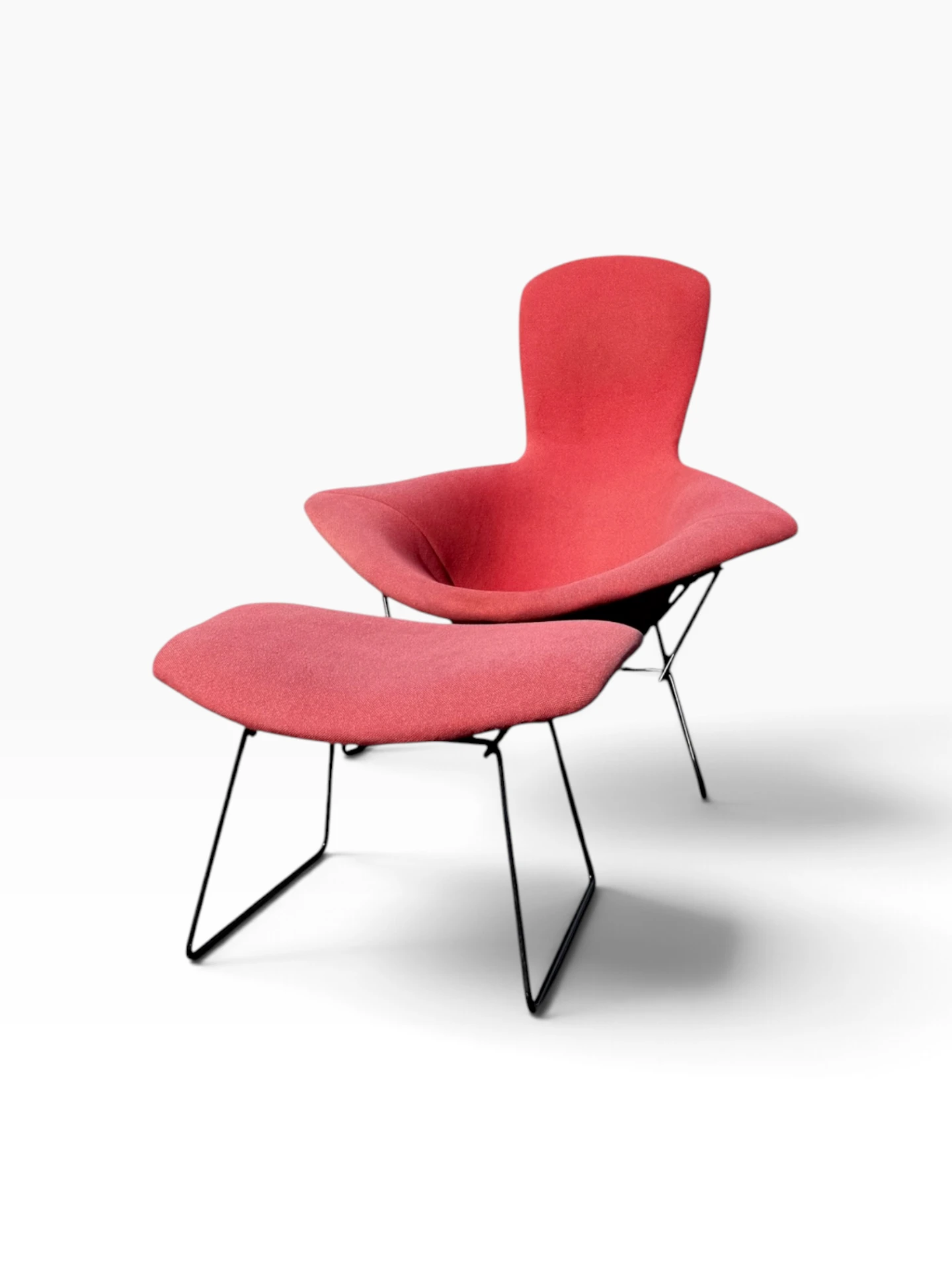 Harry Bertoia Seating GuideExamine the wires, welds and markings of the Diamond, Bird and Side Chair.Read the guide
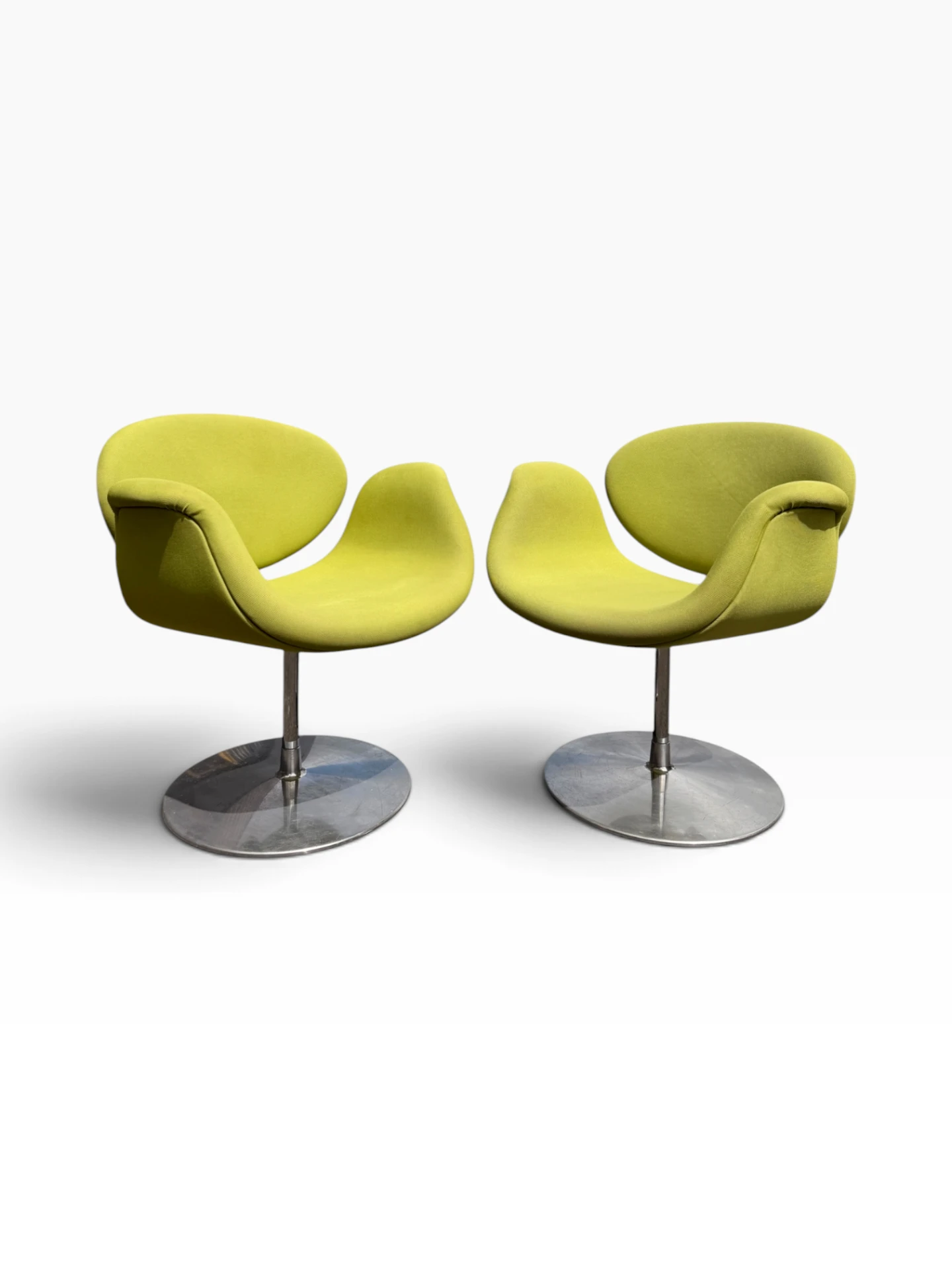 Pierre Paulin Furniture GuideRecognise authentic Pumpkin, Ribbon, Mushroom and Groovy pieces.Read the guide
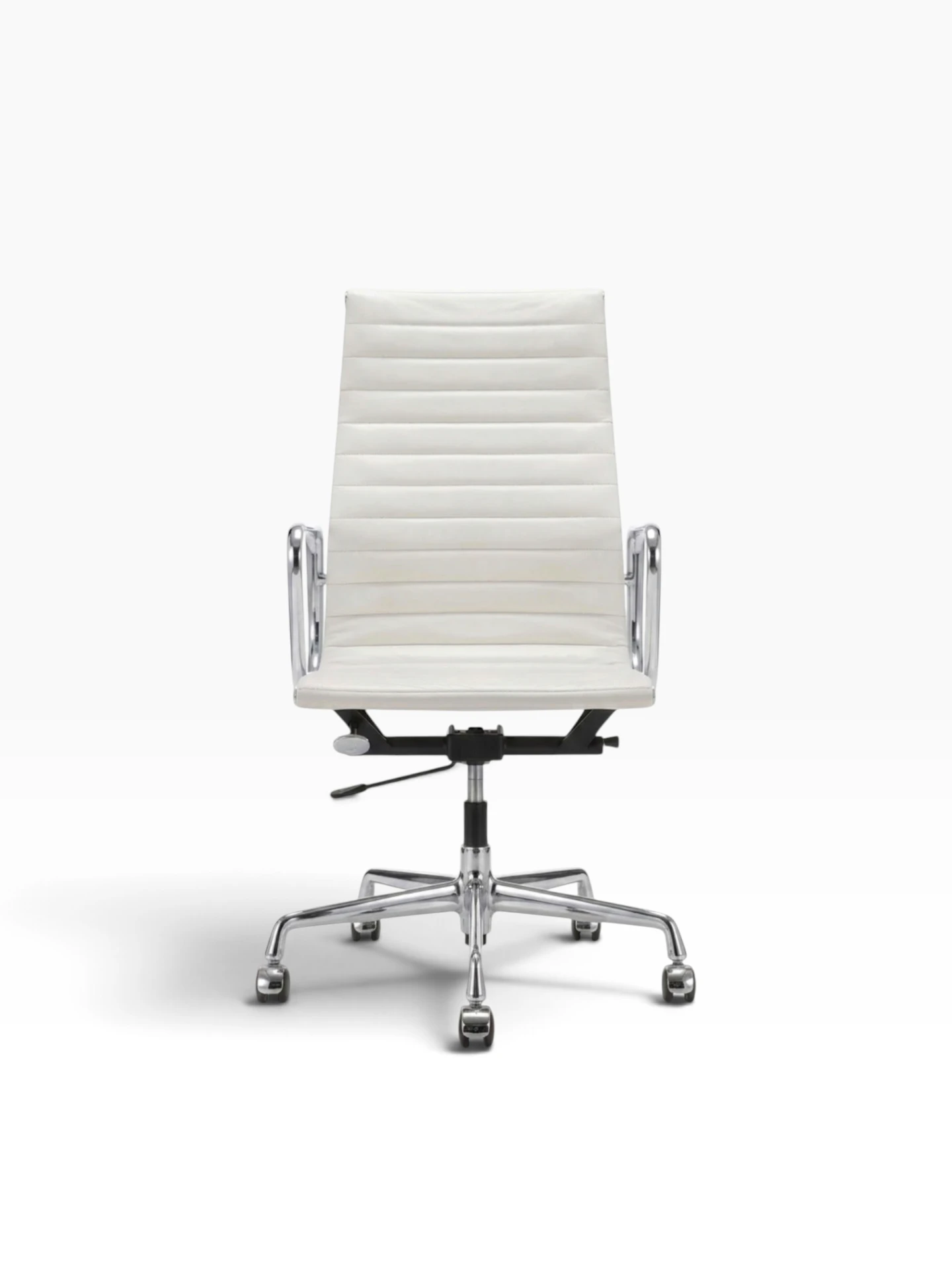 EA Collection Guide · VitraAssess Vitra's Aluminium Group and Soft Pad chairs.Read the guide