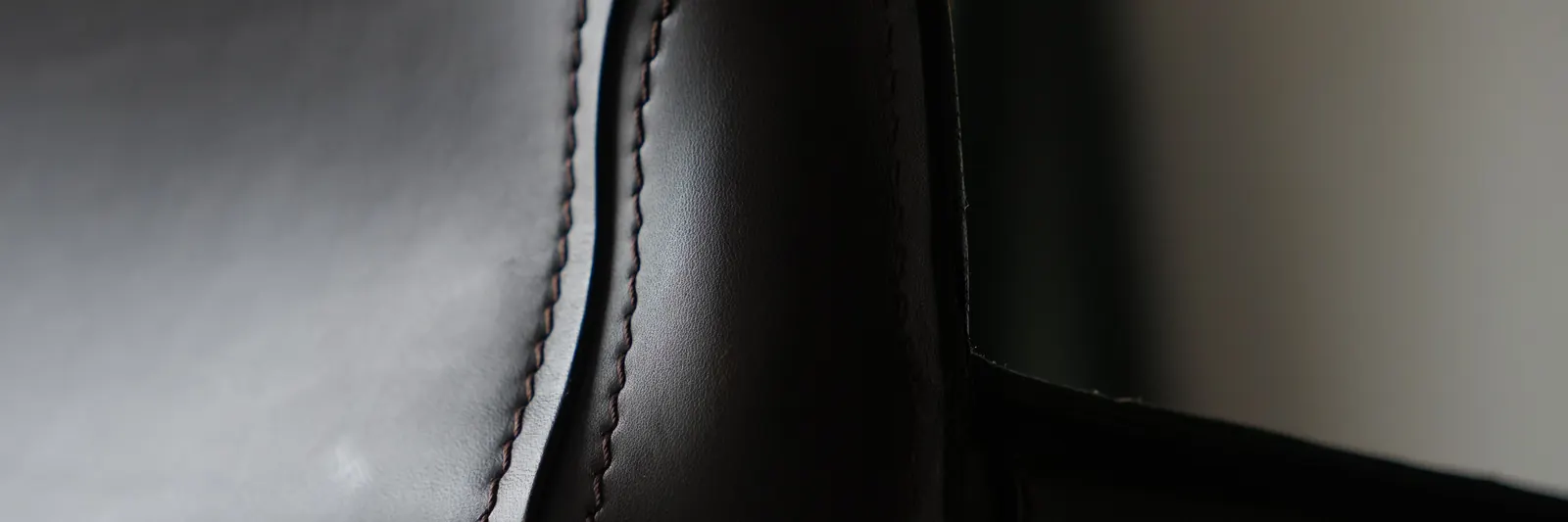
The Single Perimeter Wire Rule
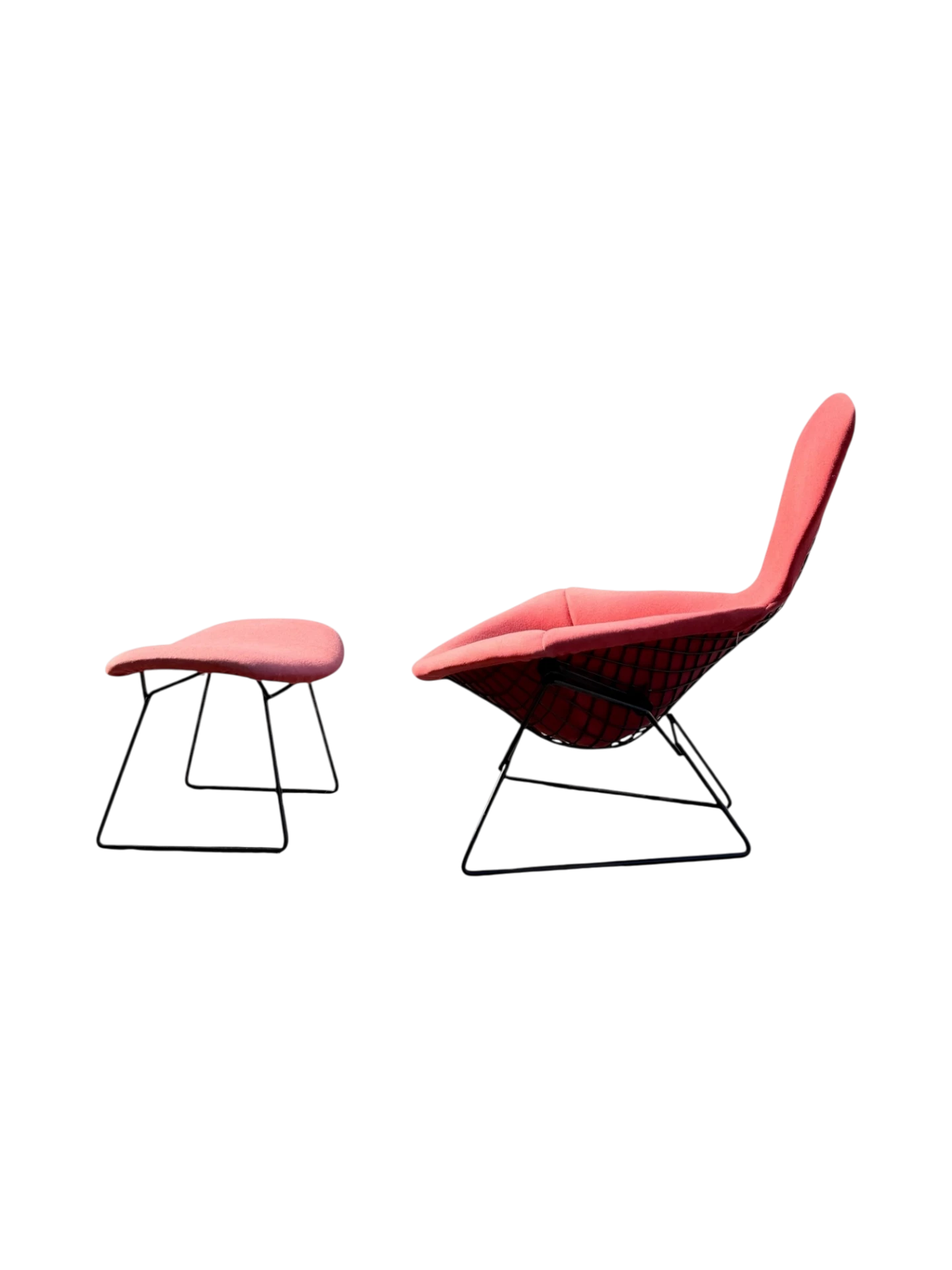
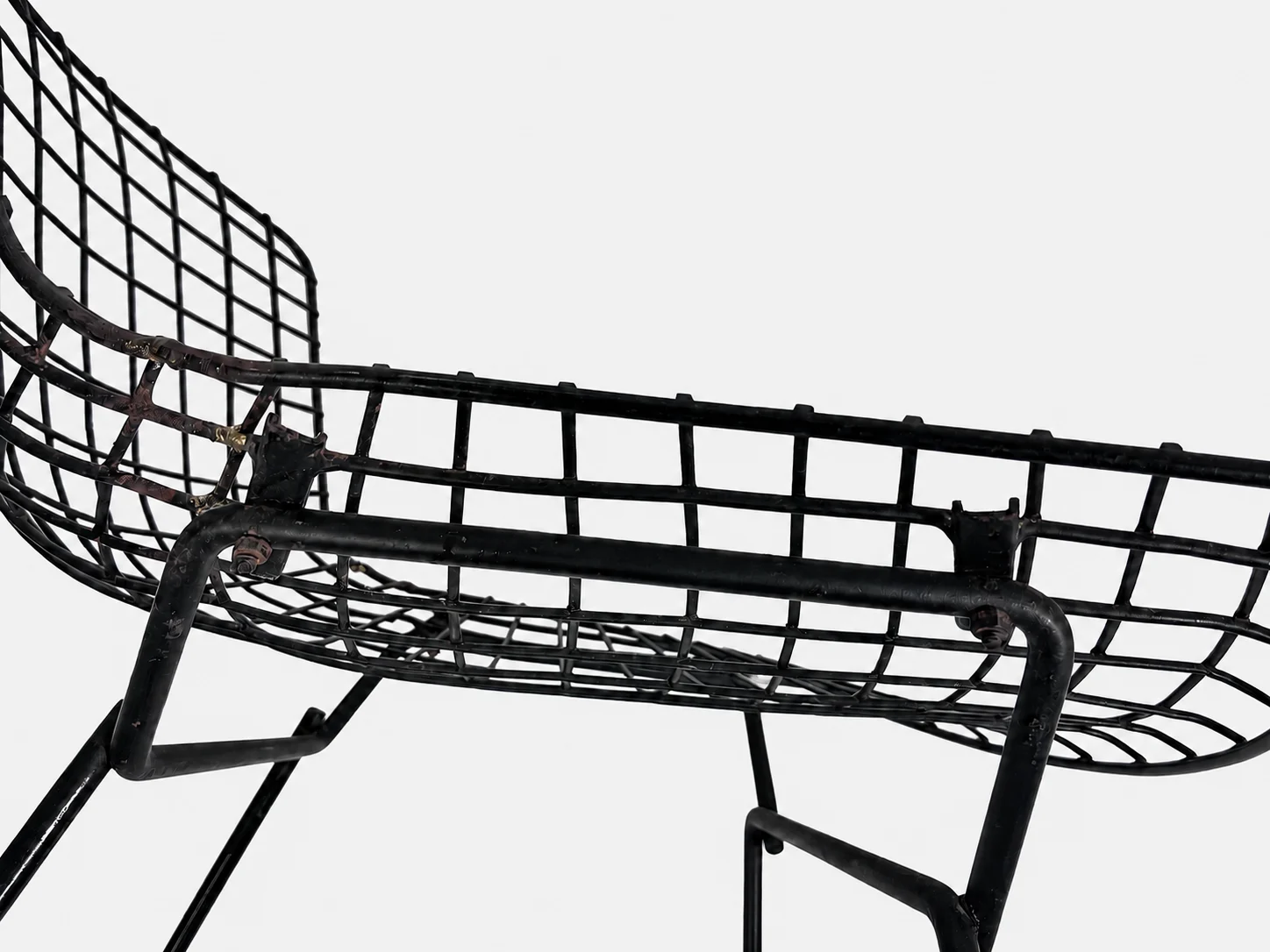
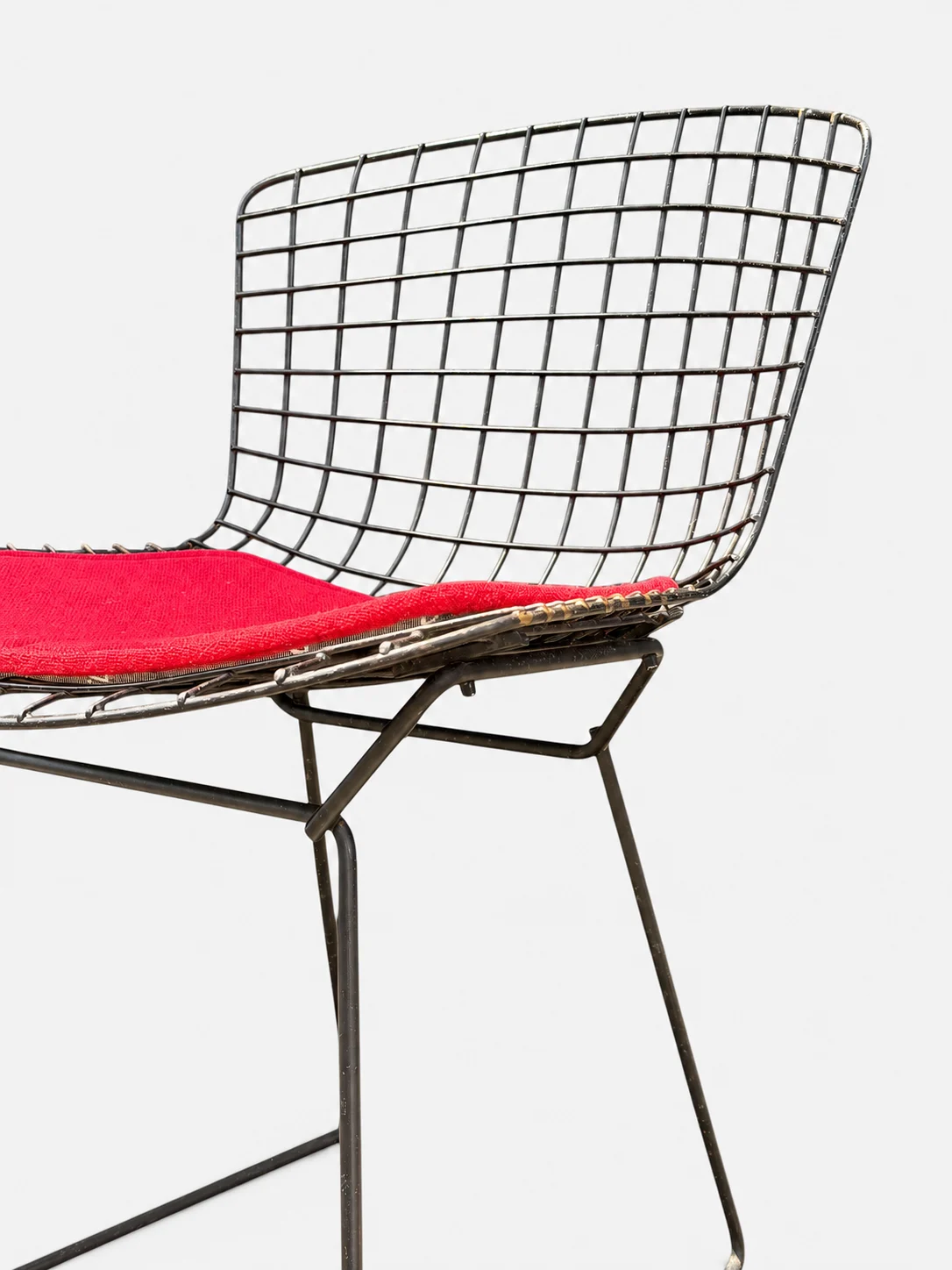
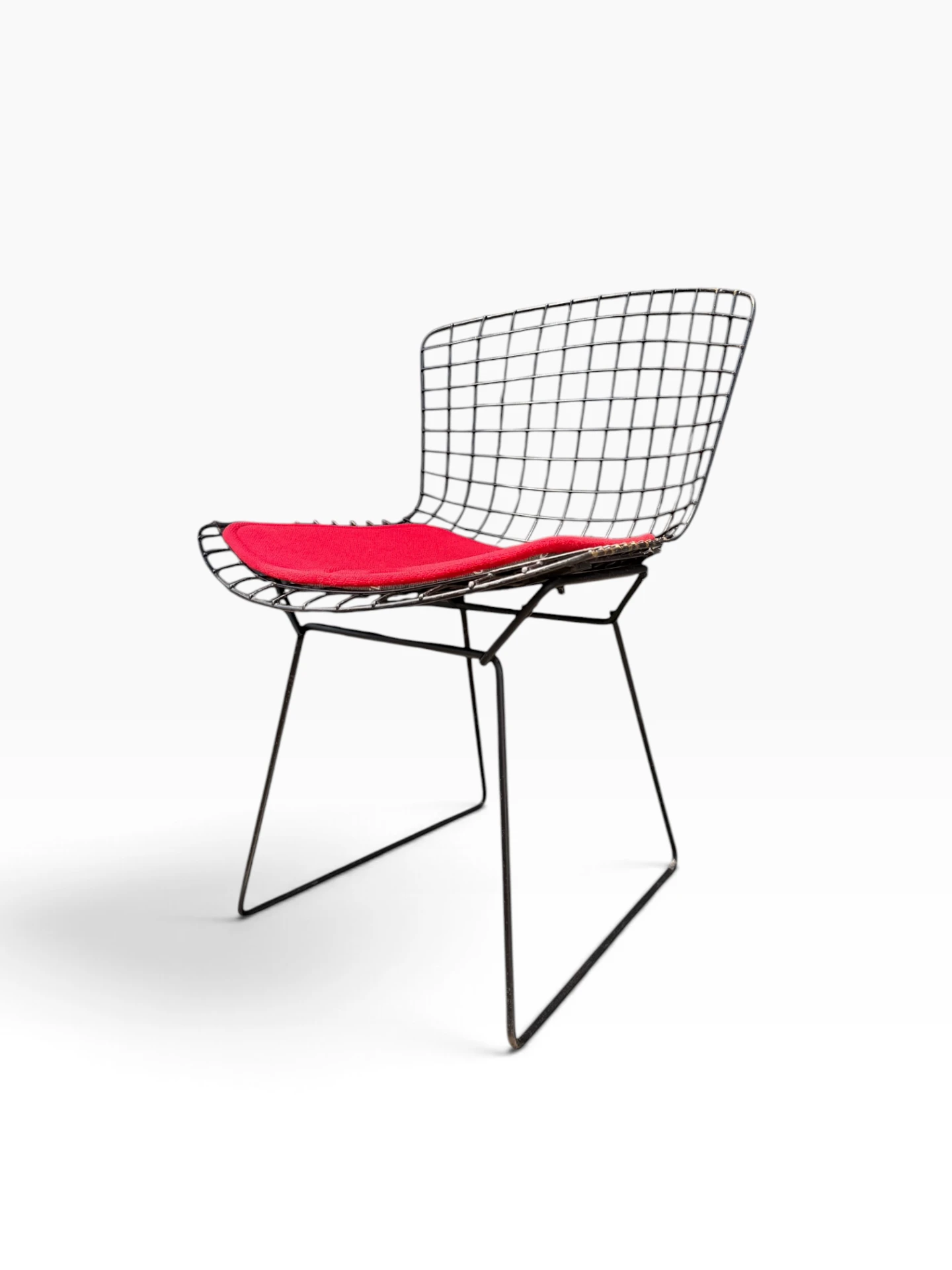
The most crucial detail for identifying a Bertoia chair is its perimeter wire. When first introduced in 1952, the frame was formed of two parallel steel wires. Following a claim by Herman Miller, however, Knoll had to modify the design. On Bertoia chairs produced by Knoll, the outer frame is made of a single steel wire. The Bird Chair and its ottoman are the exceptions: their frames remain partially doubled. Modern copies very often make the mistake of using a double-wire frame.
The Bend Radius and the Bevelled Cut
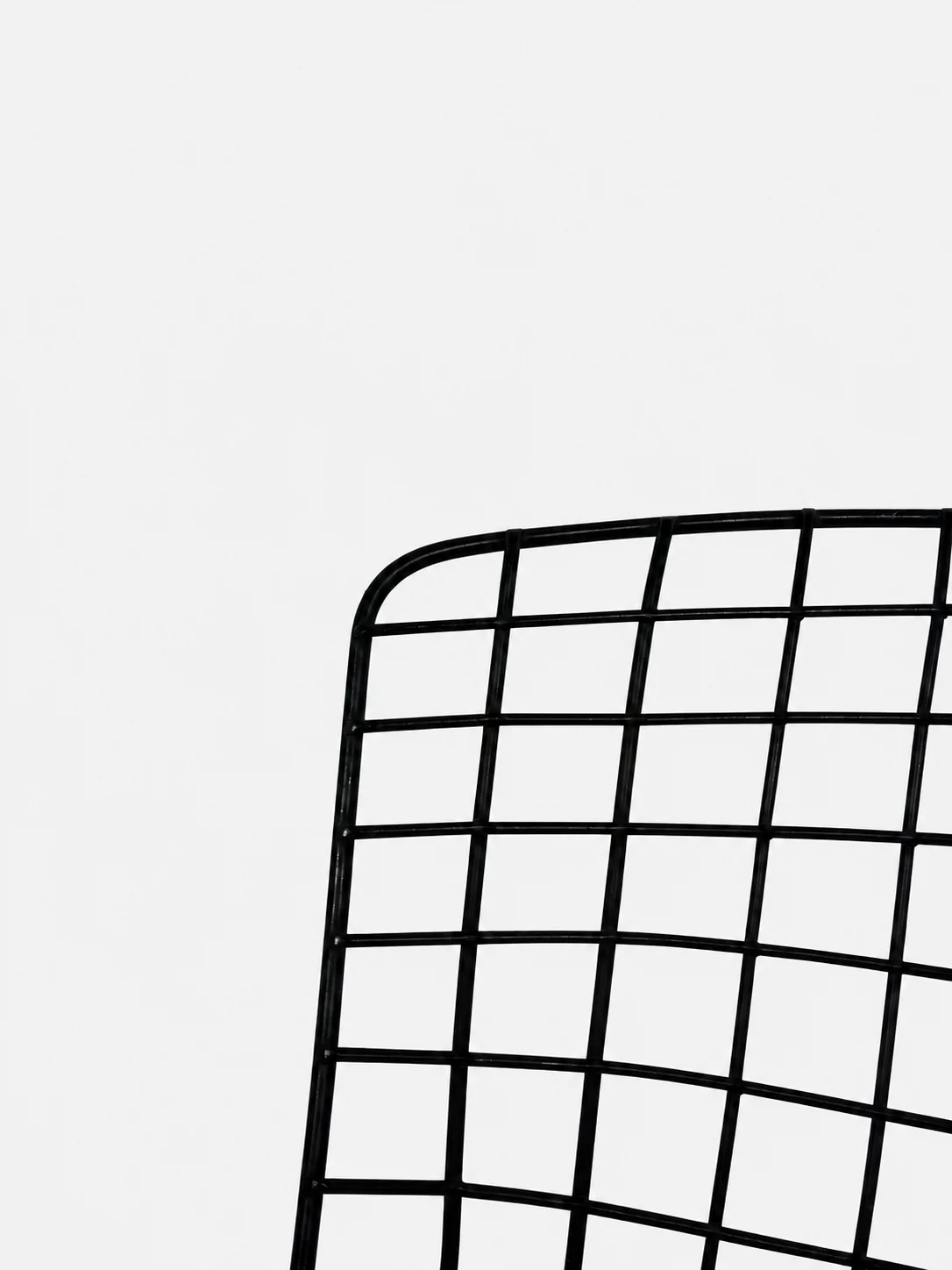
Bertoia's sculptural quality can be read in the curves of the steel. On an original Knoll edition, the bend radius of the upper corners of the back is gradual and fluid. On the sled base, the inner curve of the steel loop is very tight. Another vital checkpoint: where they meet the perimeter wire, the wires of the Knoll grid are always cut on a bevel. Forgers settle for straight, blunt cuts.
A Timeline of Signatures and Covers
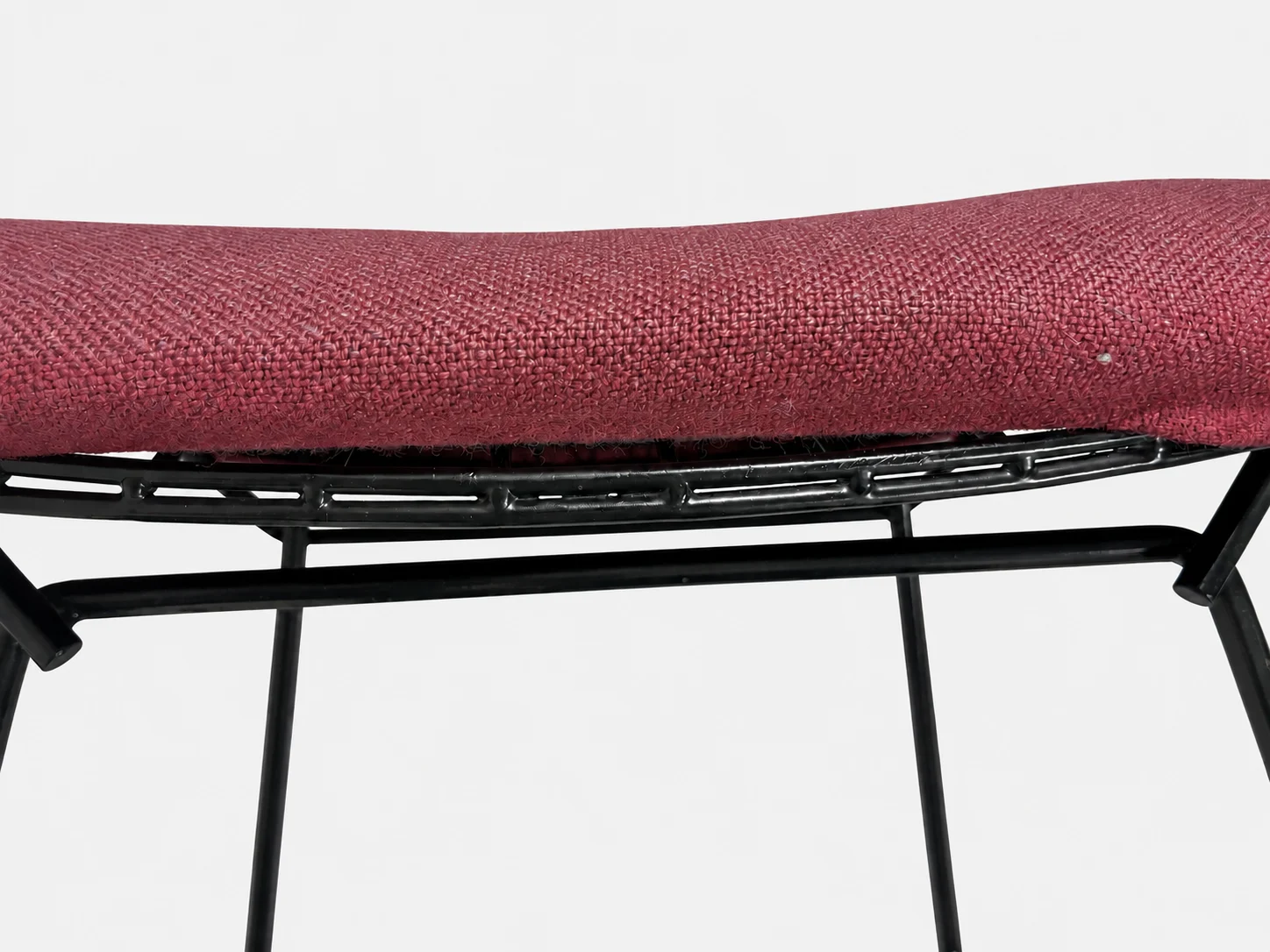
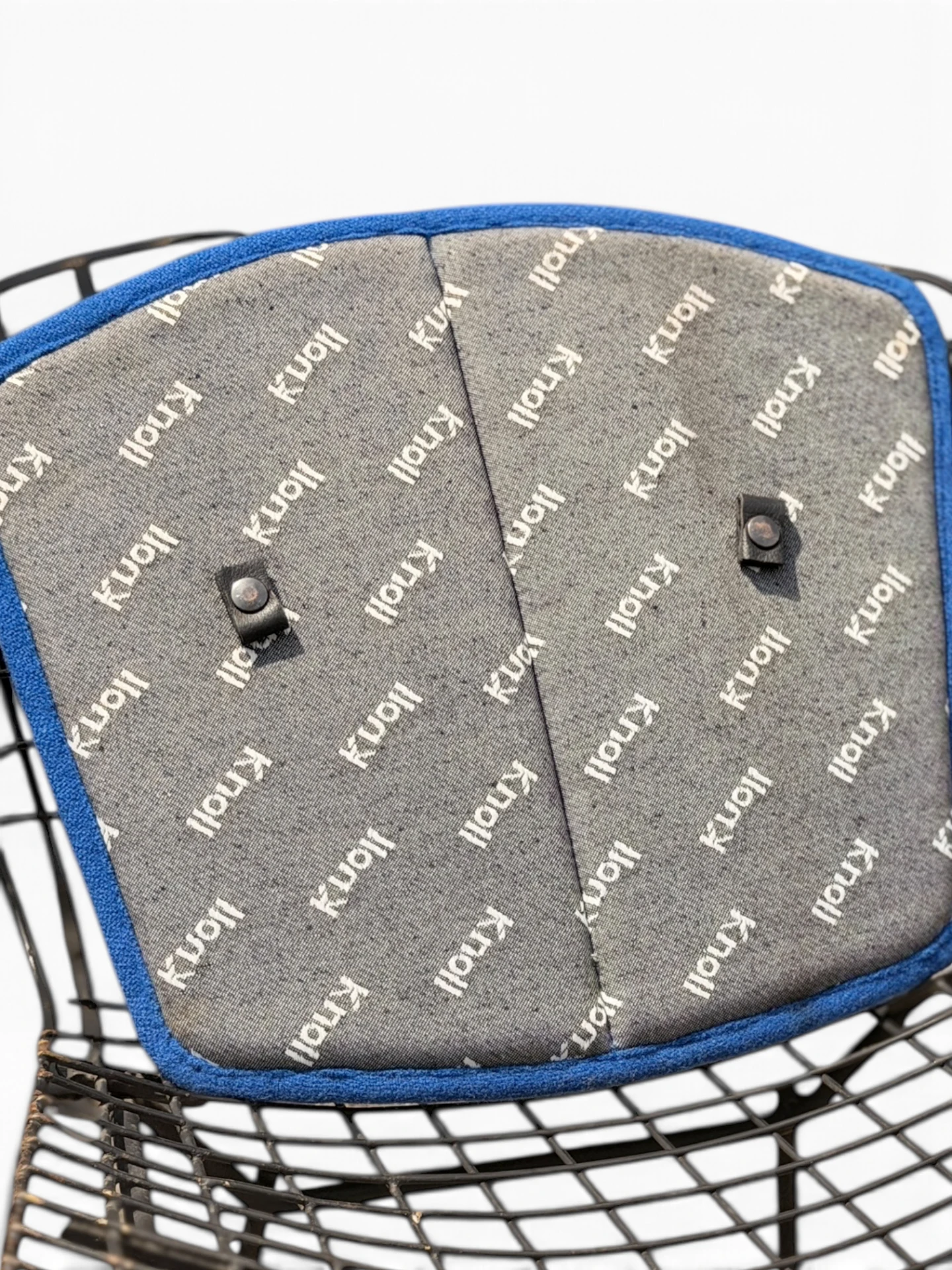
The absence of the word “Knoll” engraved in the metal of a vintage chair is no proof of a counterfeit. Knoll only began discreetly stamping its logo into the metal of the rear base in 2004. Vintage pieces relied on adhesive labels, which have often disappeared. If the chair still has its original cover, the backing fabric hidden beneath the cushion frequently carries a repeated Knoll pattern or lettering.
The Masterpieces
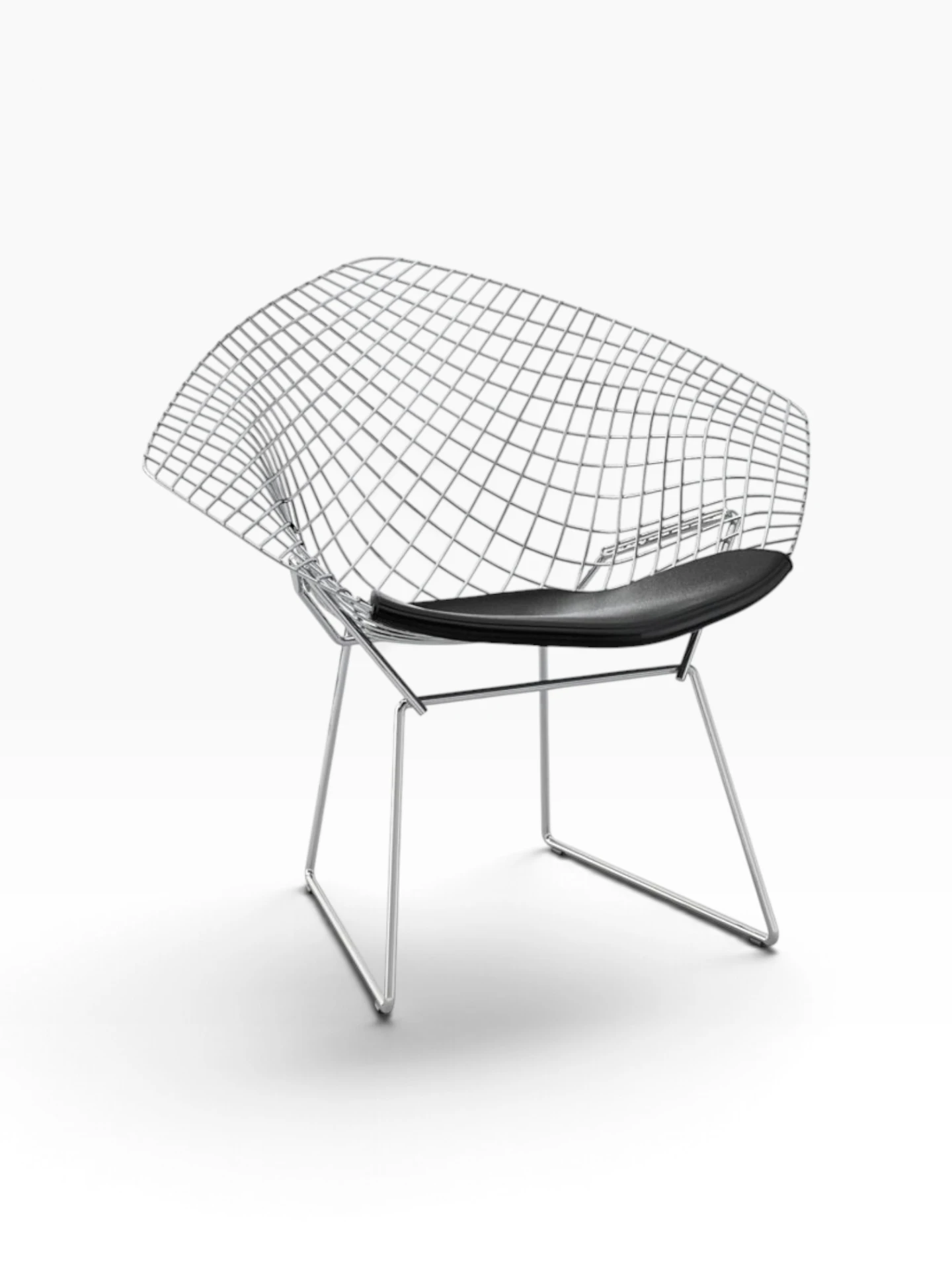
- Diamond 421
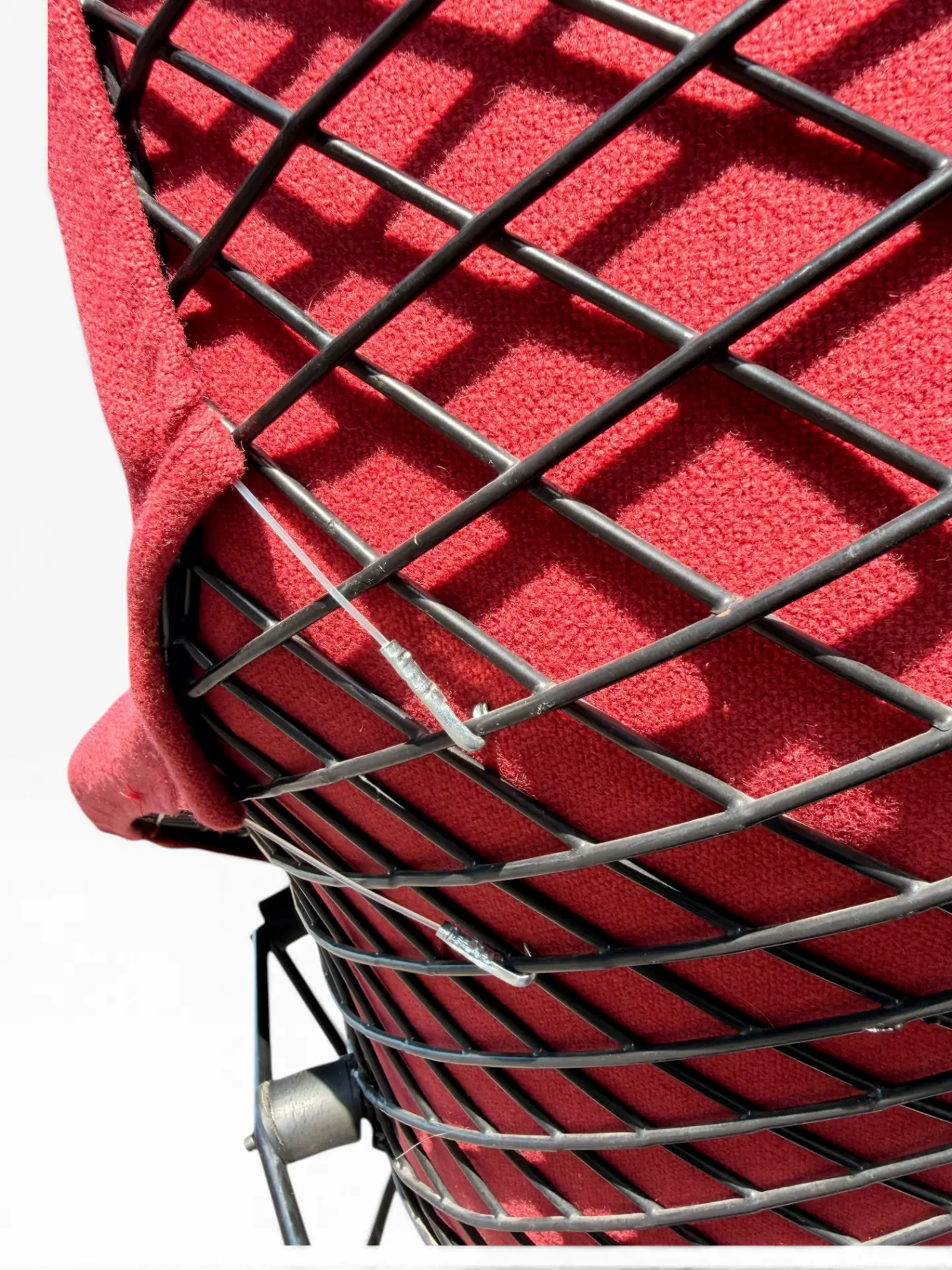
- The base attaches to the wire shell through specific connectors, known as “paperclip” fixings on historical editions. Pre-1986 editions use a very fine steel wire; post-1986 Italian models use a slightly thicker wire.
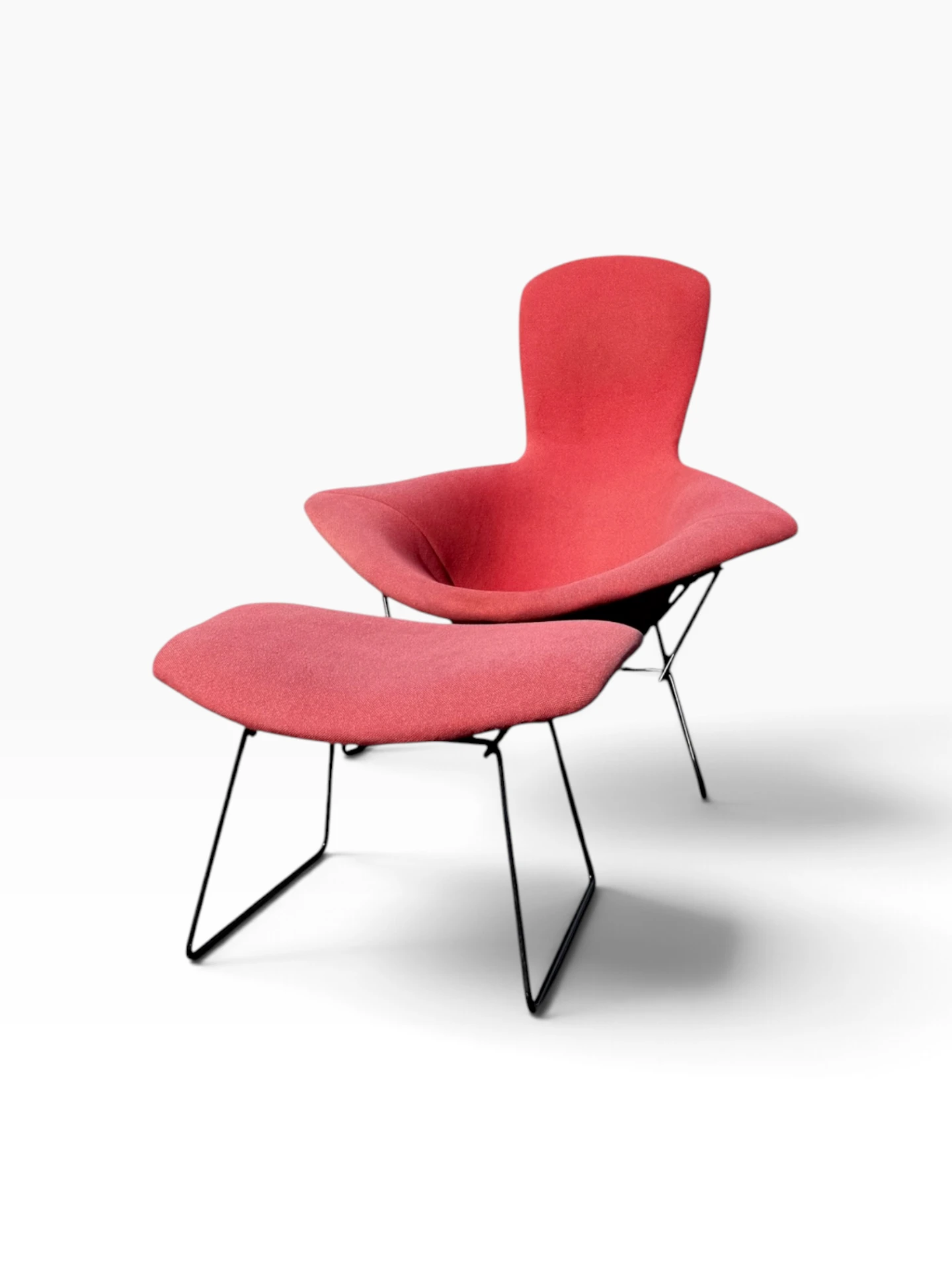
- Bird 423
- This large high-backed lounge chair extends forward visually like a bird. Unlike the dining chair, the original Bird Chair does use a doubled perimeter frame to keep its large structure rigid.
Looking for a specific piece from this signature?
L’Œil is our bespoke sourcing service. Tell us which piece you are looking for, and we will help you find it.
Our other authentication guides
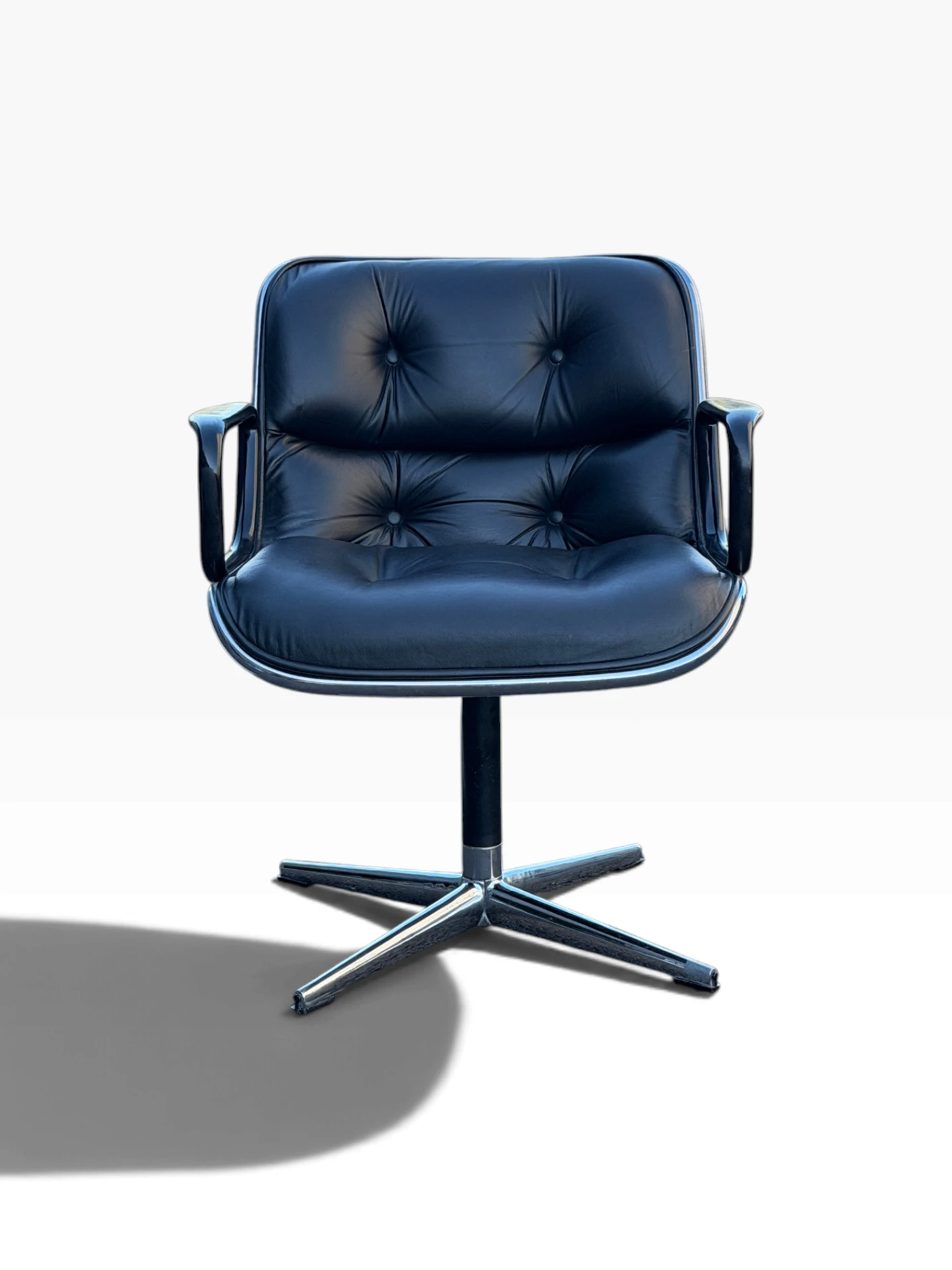 Guide Charles PollockHow to authenticate and choose a vintage Knoll Executive Chair.Read the guide
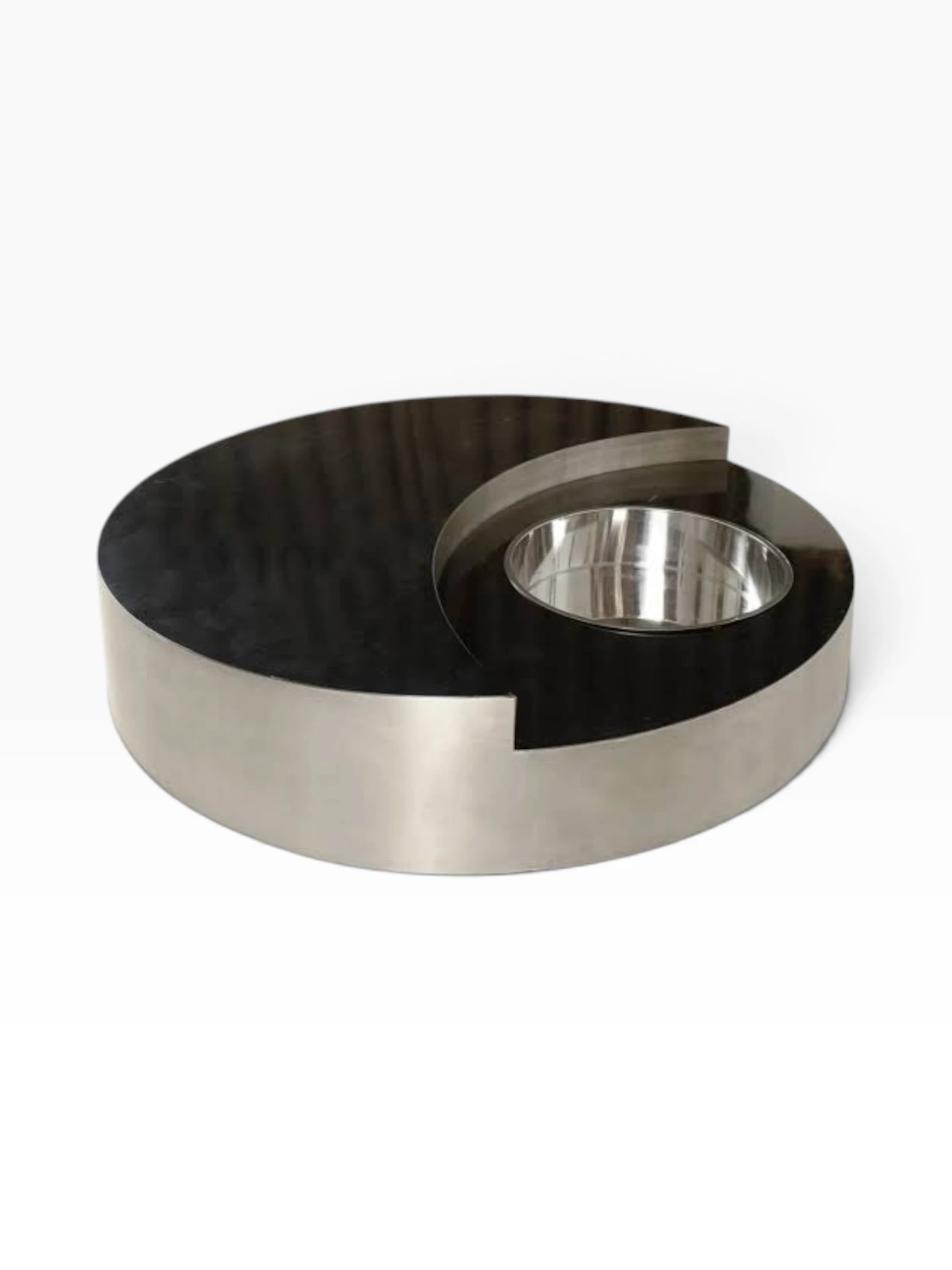 Willy Rizzo Coffee Tables GuideAuthenticate the Alveo, TRG, Yin Yang and sliding models.Read the guide
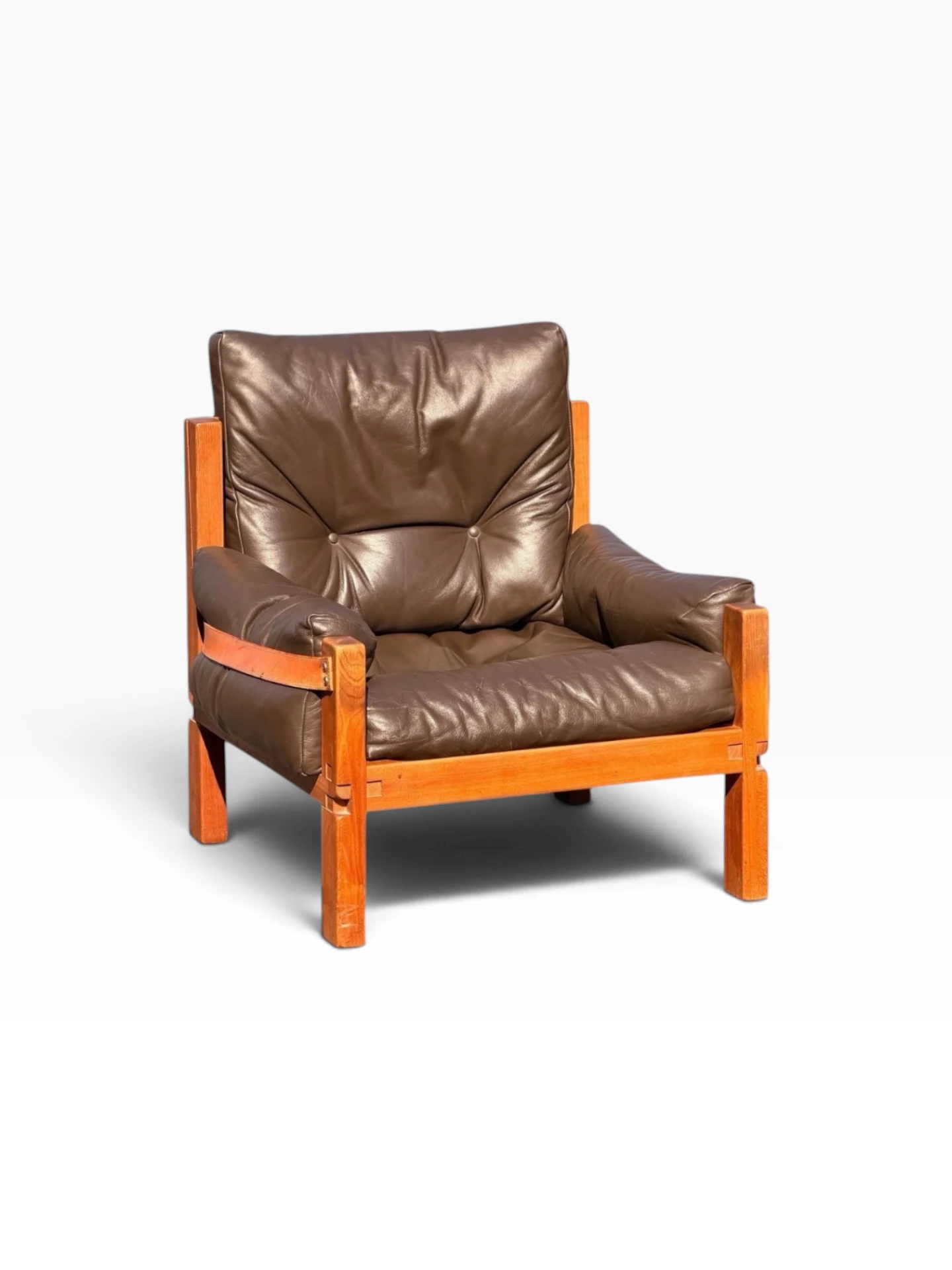 Pierre Chapo Furniture GuideRead the solid elm, the 48x72 joinery and the S15, S22 and S31 models.Read the guide
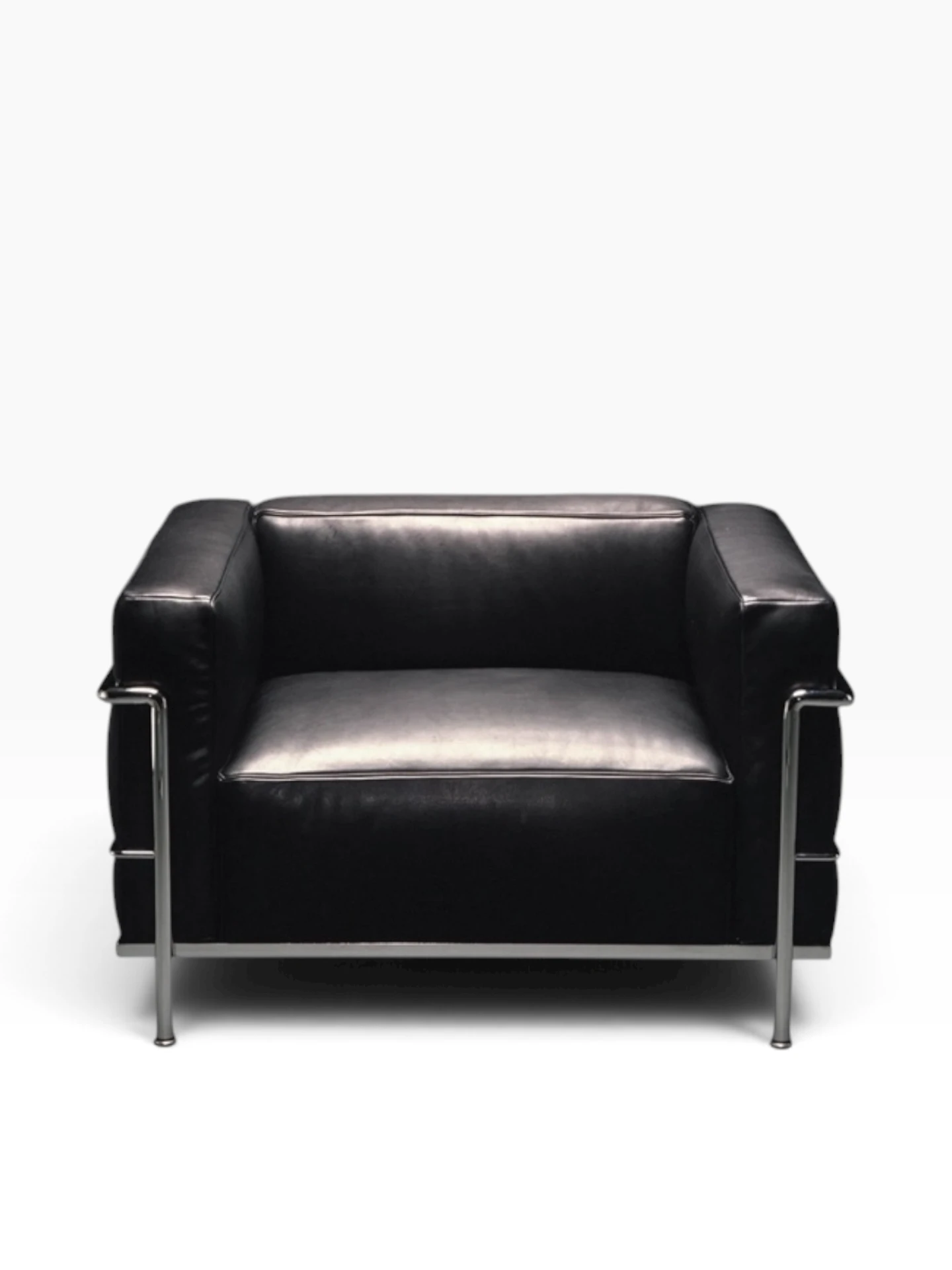 LC Collection Guide · CassinaRecognise authentic LC1, LC2, LC3 and LC4 editions.Read the guide
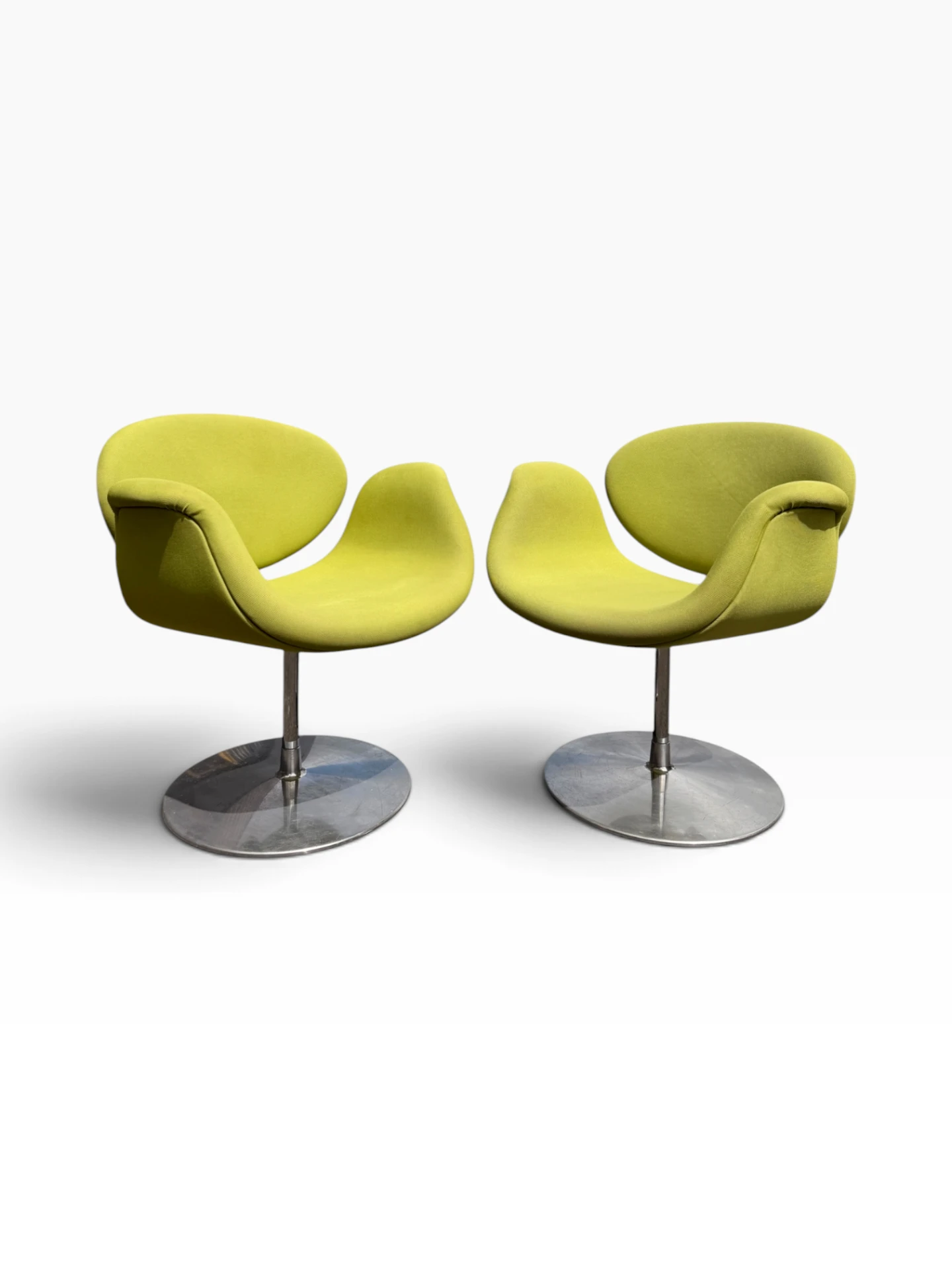 Pierre Paulin Furniture GuideRecognise authentic Pumpkin, Ribbon, Mushroom and Groovy pieces.Read the guide
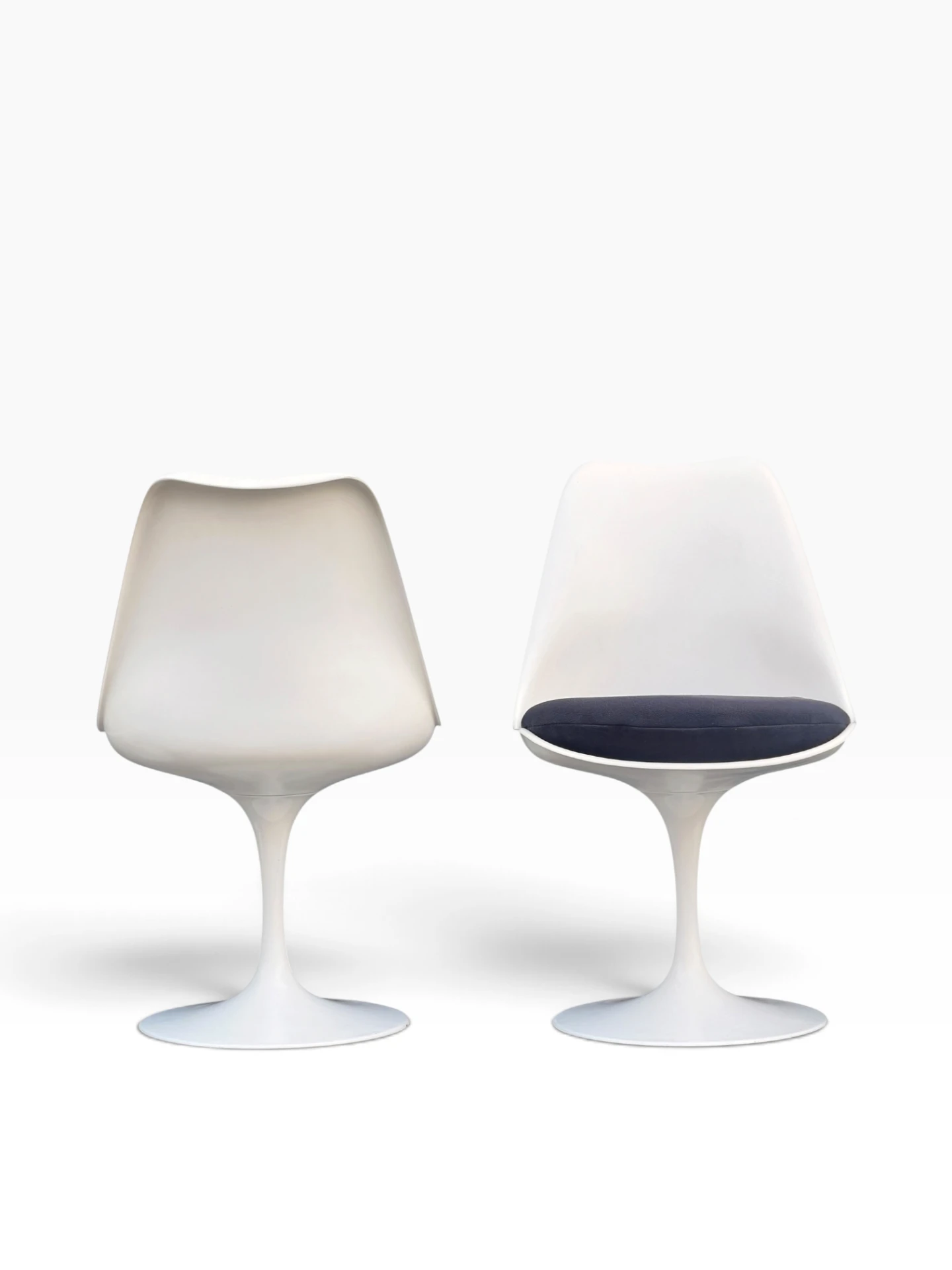 Tulip Collection Guide · Eero SaarinenIdentify the Pedestal chairs and tables made by Knoll.Read the guide
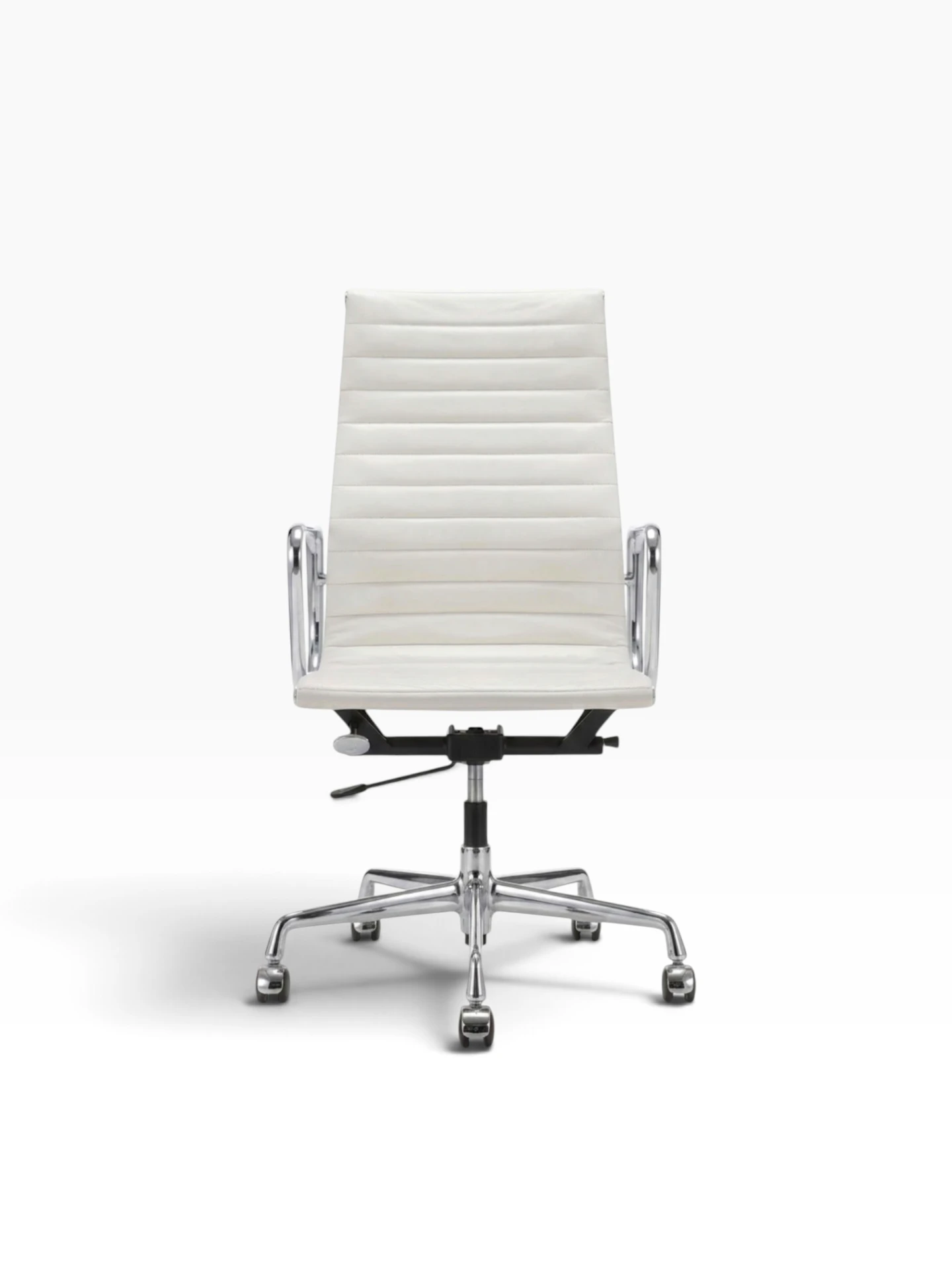 EA Collection Guide · VitraAssess Vitra's Aluminium Group and Soft Pad chairs.Read the guide